Formation
Formation before career
Every student enters USSL before committing to a domain. Career clarity is a downstream outcome of formation, not a prerequisite for it.
USSL is a leadership formation journey for carefully selected young people who graduate with dual credentials: a BBA degree from Savitribai Phule Pune University and Diploma in Social Impact & Entrepreneurship from Potters Earth Foundation. Entry is selective and strictly merit-based.
India produces more graduates than almost any nation on earth. It produces far fewer leaders who build institutions.
This is not a coincidence. India's education system, designed for stable industries, linear careers, and a simple degree-equals-jobs equation, is not enough for today's high-competition, low-clarity, ambiguous and volatile market.
The gap this creates is not an employability gap. It is a leadership formation gap: the absence of an institution whose founding purpose is to ask not how a young person will earn, but what they will build.
India solved this problem once before. The Gurukul tradition, Kautilya's Arthashaastra, and Nyaya Darshana are not relics. They are among the world's most complete theories of human formation. They have simply not been operationalised for today.
USSL is that operationalisation.
USSL offers a deeper path to capability: one that makes employment, entrepreneurship, and leadership natural consequences of who the student has become.
The programme combines a state university degree, Gurukul-inspired residential formation, merit-only selection, and real-economy apprenticeships.
It works on 5 non-negotiable structural principles.
The result is not merely a better graduate. It is a young person prepared to build.
Every student enters USSL before committing to a domain. Career clarity is a downstream outcome of formation, not a prerequisite for it.
The Udayan Leadership Curriculum runs alongside 6+ apprenticeship rotations across real industries, with reflection that converts experience into wisdom.
Every graduate leaves with a UGC-recognised BBA from SPPU and a Diploma in Social Impact & Entrepreneurship from Potters Earth Foundation.
The pathway is Stage 1: Udaan, Stage 2: UAT, and Stage 3: USB. Only after passing all three does a student enter USSL through final admission.
The Arjun Sampat framework draws from the Arthashaastra, Nyaya Darshana, and Gurukul tradition. This is not heritage decoration. It is the operating system.
USSL draws from the Arthashaastra, Nyaya Darshana, and the Gurukul model, not as heritage references, but as the operative grammar of character formation.
These traditions are operationalised through the Arjun Sampat framework of 14 Leadership Competencies, aligned with India's National Education Policy 2020.
In a democracy, every citizen is a potential Rajarshi. Education is therefore not merely an economic project. It is a civilisational one.
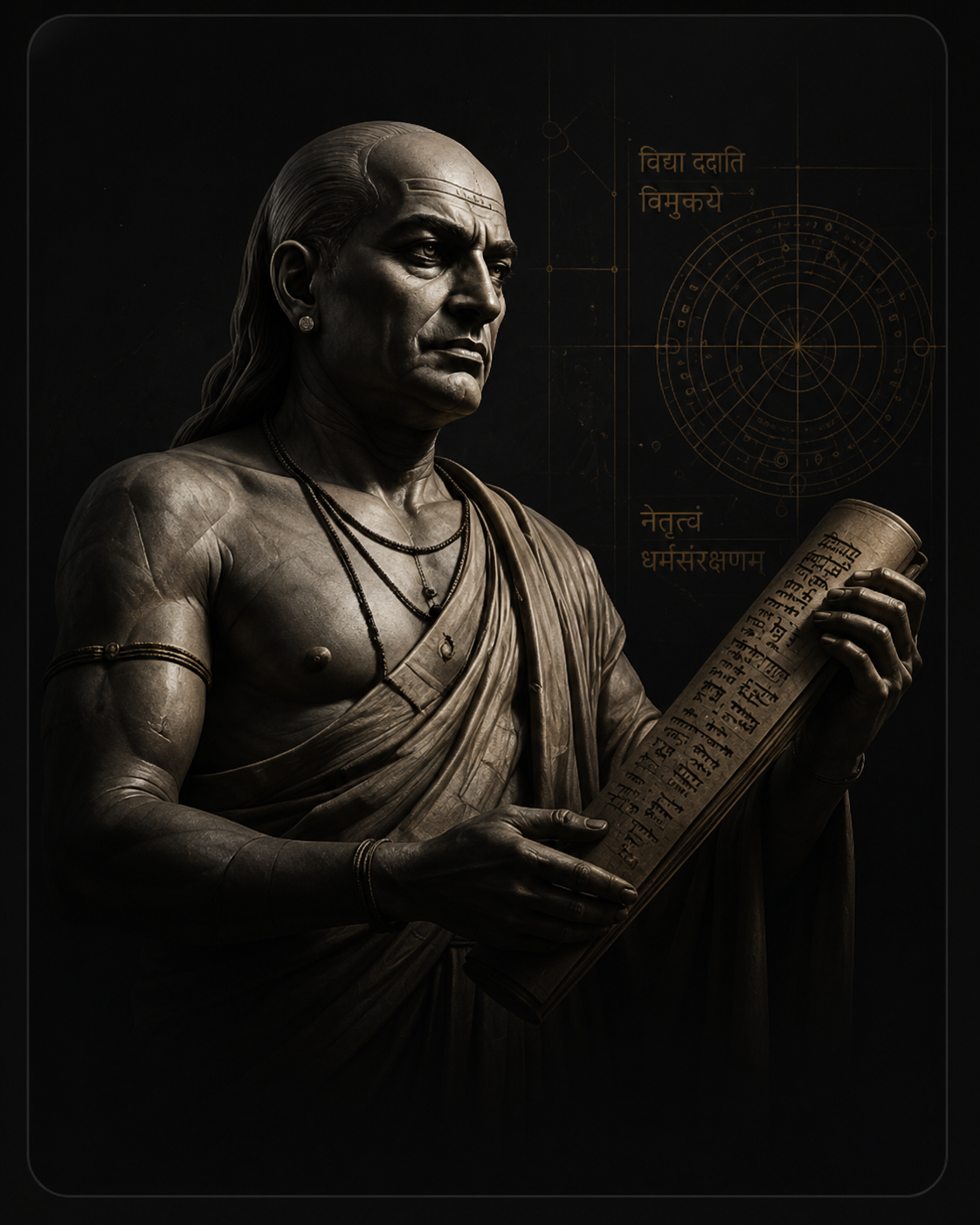
Self-governance precedes public leadership. The Rajarshi acts fully in the world while remaining rooted in Dharma and animated by Seva.
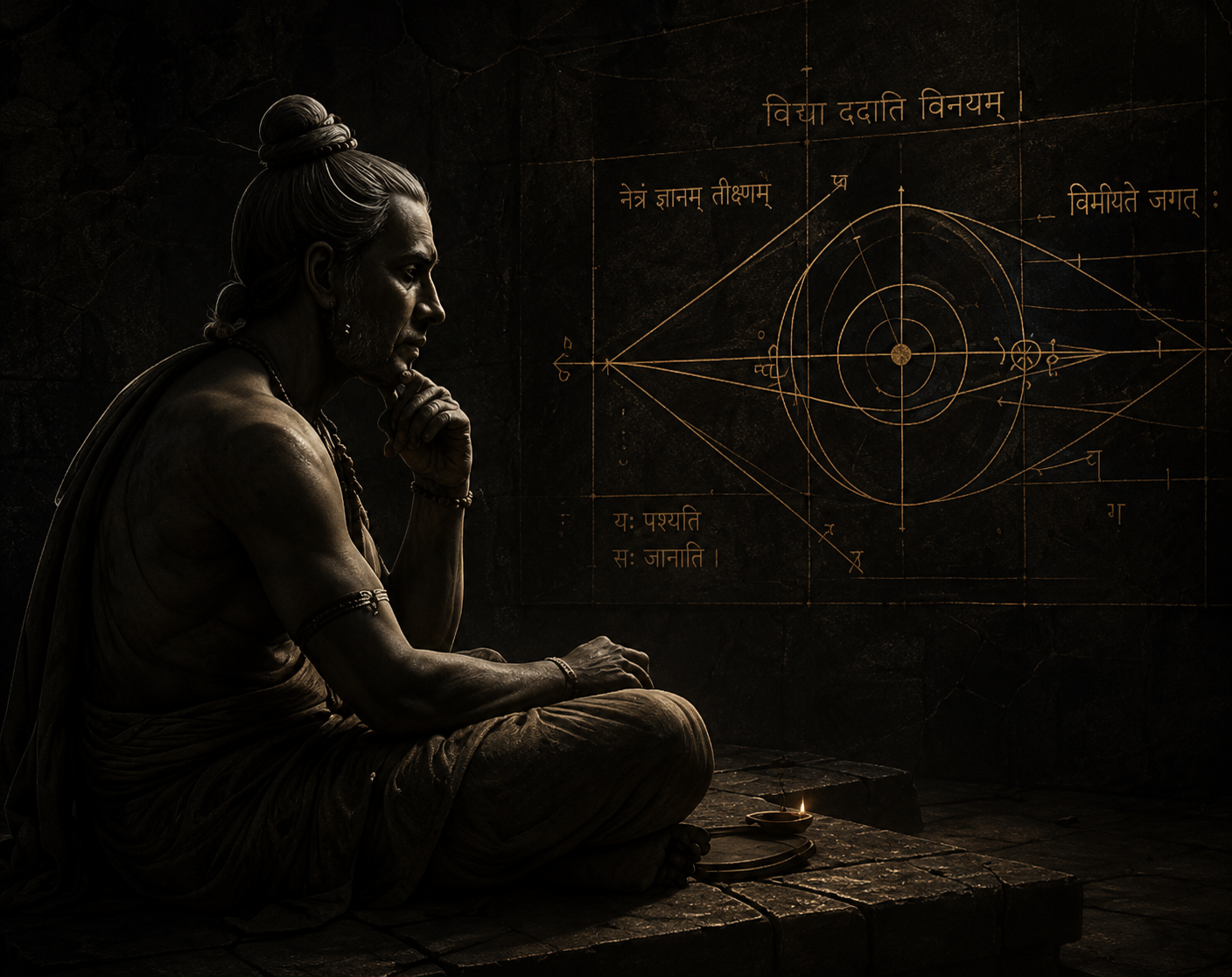
Students are trained not only in what to think, but how to think, distinguishing evidence from assertion and argument from rhetoric.
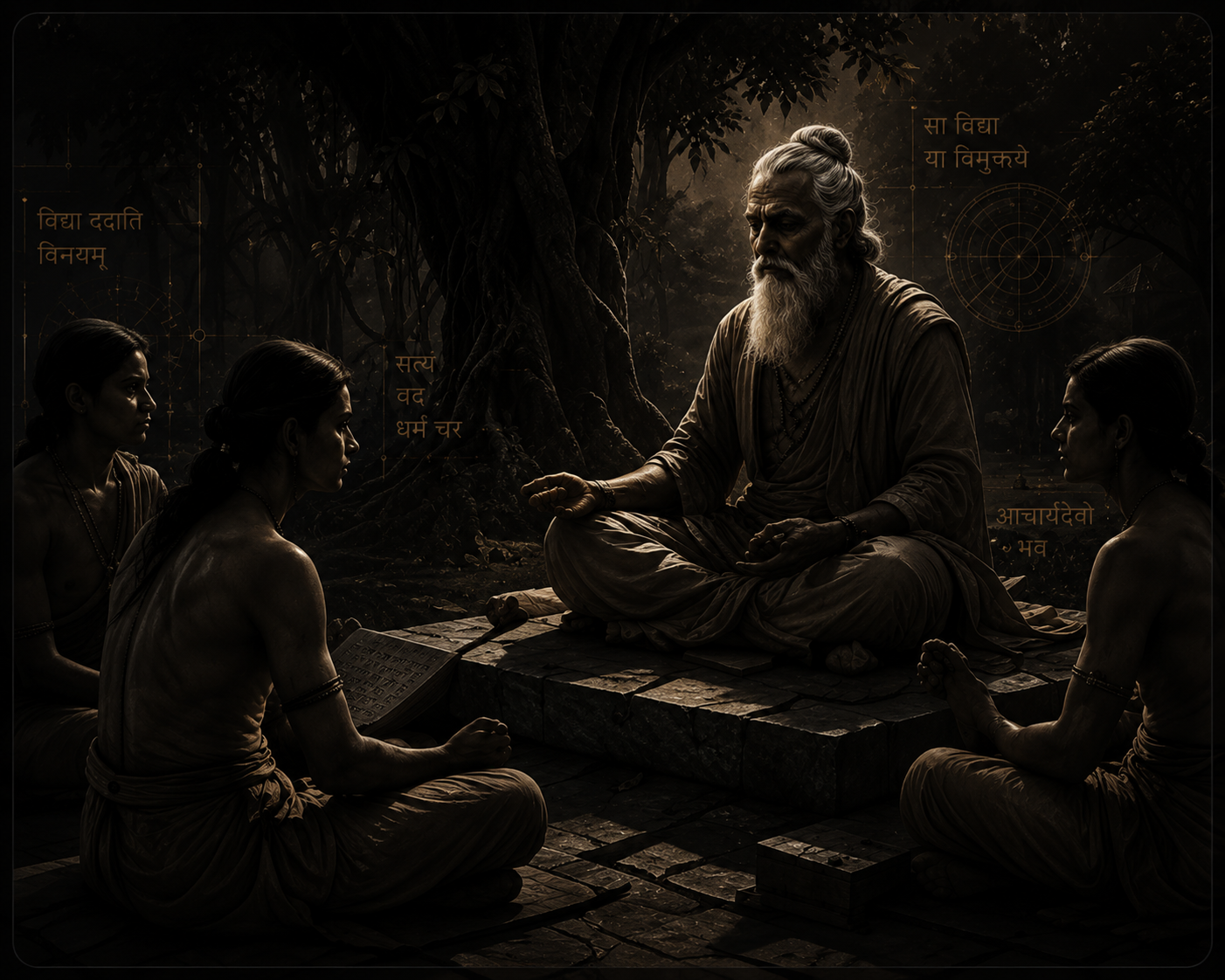
A hunger to understand, guided by mentors who have walked the path before. Not transactional coaching, but formation through lived wisdom.
USSL does not ask students to pause life in order to prepare for it.
The journey moves through exposure, certification, apprenticeship, mastery, and launch so direction is built through experience, not guesswork.
Exposure, masterclasses, shadowing, travel schooling.
NIOS Grade 12 with practical skill credentials.
Rotations across real industries and functions.
Advanced practice, mentoring, portfolio depth, BBA completion, and Diploma readiness.
Job, venture, or higher education with evidence.
Minimum age 15 · NIOS Senior Secondary
JC students complete Grade 11 and 12 through NIOS, while preparing for the same Degree College Track through exposure, mentorship, and disciplined formation.
Junior College students complete Grade 11 and 12 through the National Institute of Open Schooling, a Ministry of Education board recognised as equivalent to CBSE and state boards.
Students learn from economic ecosystems, cultural contexts, and industry realities before choosing their place within them.
Practitioners, founders, policy makers, and grassroots leaders bring unfiltered real-world perspective into the formation journey.
Charya, reflection, responsibility, and mentorship make the Junior College years a preparation for the Degree Track, not a waiting room before it.
FY-BBA to TY-BBA · Ages 18–20
The Degree Track combines SPPU BBA modules with travel schooling, masterclasses, paid apprenticeships, startup mentoring, and skill certifications. Students discover their craft by doing, not by guessing.

Students undertake multiple paid rotations across industries and functions. Breadth of experience comes before depth of mastery.
Students learn venture creation through ideation, market validation, prototyping, and founder-led mentoring.
Skill certifications in market-relevant domains are built into the programme as structural milestones, not optional extras.
The Arjun Sampat framework runs as the spine of the programme, forming judgment, initiative, clarity, and responsibility.
Age 20 · BBA + Diploma
The final year consolidates advanced apprenticeships, a business prototype, the professional portfolio, SPPU final-year modules, and the Diploma in Social Impact & Entrepreneurship. Graduates leave ready for employment, startup, or higher education.
Work record. Projects. Prototype. Evidence.
SPPU BBA completed.
Formation journey documented by PEF.
Employment, startup, or higher education.
Ready to serve, build, and lead.
Higher responsibility
Built and tested
Verified evidence
Final year completed
Leadership formation
Work, venture, study
Every USSL graduate receives a BBA from Savitribai Phule Pune University and a Diploma in Social Impact & Entrepreneurship from Potters Earth Foundation. These credentials are backed by apprenticeships, certifications, a portfolio, and a professional network.
Awarded to every Degree Track graduate. SPPU is UGC-recognised and NAAC-accredited, and the BBA meets MBA eligibility requirements in India and globally.
Awarded to every graduate. It documents the Udayan Leadership Curriculum, Arjun Sampat progression, apprenticeship record, and portfolio.
Junior College Track students receive Grade 12 certification from NIOS, Ministry of Education, recognised as equivalent to CBSE and state boards.
Nationally recognised skill certifications are embedded as structural programme milestones, not optional add-ons.
Paid, verified rotations across industries and functions give students a work record most conventional graduates take years to build.
Students leave with real relationships, projects, prototypes, deliverables, and evidence that speaks to employers and admissions boards.
This is not a programme that suits everyone, and we are direct about that. The formation journey demands a quality of commitment and self-drive that not every student at 16 or 18 is ready to sustain.
USSL's impact depends on an ecosystem of institutions that share our belief that education must produce capable human beings, not just credentialed ones.
The students who belong at USSL are already in your Grade 10 and Grade 12 classrooms. They are the ones asking questions the syllabus was not designed to answer.
USSL apprentices are merit-selected and arrive with intellectual rigour, initiative, and readiness for real work. Open a rotation and evaluate them in the work.
USSL is building the formation infrastructure India's next century requires. Patronage funds scholarships for merit-selected students whose family income should not determine their ceiling.
Write to connect@udayanleadership.org if your question is not covered here.
Every USSL graduate receives two credentials: a BBA from Savitribai Phule Pune University (SPPU), a UGC-recognised and NAAC-accredited public university, and a Diploma in Social Impact & Entrepreneurship from Potters Earth Foundation. Junior College Track students additionally receive a NIOS Senior Secondary Certificate before entering the Degree College Track.
The Junior College Track admits students after Grade 10, minimum age 15. Students complete Grade 11 and 12 through NIOS, then transition into the Degree College Track. The Degree College Track admits students after Grade 12, minimum age 18, and runs for three years to employment, startup, or higher education.
Udaan is Stage 1: the discovery experience. UAT is Stage 2: the Udayan Aptitude Test, a structured assessment of cognitive aptitude and analytical reasoning. USB is Stage 3: the Udayan Selection Bootcamp, a live multi-day evaluation of intellectual rigour, resilience, initiative, collaboration, and readiness. A student enters USSL only after successfully passing all three stages. Admission is merit-only.
Every student who successfully completes the applicable USSL programme requirements is awarded a Bachelor of Business Administration (BBA) degree by Savitribai Phule Pune University (SPPU), one of India's largest public universities. SPPU is a UGC-recognised and NAAC-accredited university. Accordingly, the BBA awarded by SPPU constitutes a recognised undergraduate qualification and satisfies the standard degree eligibility requirement for MBA admissions and postgraduate applications, subject to the admission rules of the relevant institution, entrance examination, jurisdiction, and programme. USSL graduates additionally carry a documented portfolio of apprenticeships, projects, and work experience.
Yes. NIOS is established by the Ministry of Education, Government of India. Its Senior Secondary Certificate is equivalent to CBSE and state board Grade 12 for university admissions, government employment, and most international applications.
USSL offers financial aid based on need and scholarships based on merit, potential, and selection performance. Effective annual fees can come down to as low as ₹75,000 per year. Students also earn income through paid apprenticeship rotations during the programme.
We are accepting enquiries for the next cohort. The selection process is merit-only. If your student may be ready, begin the conversation with us.